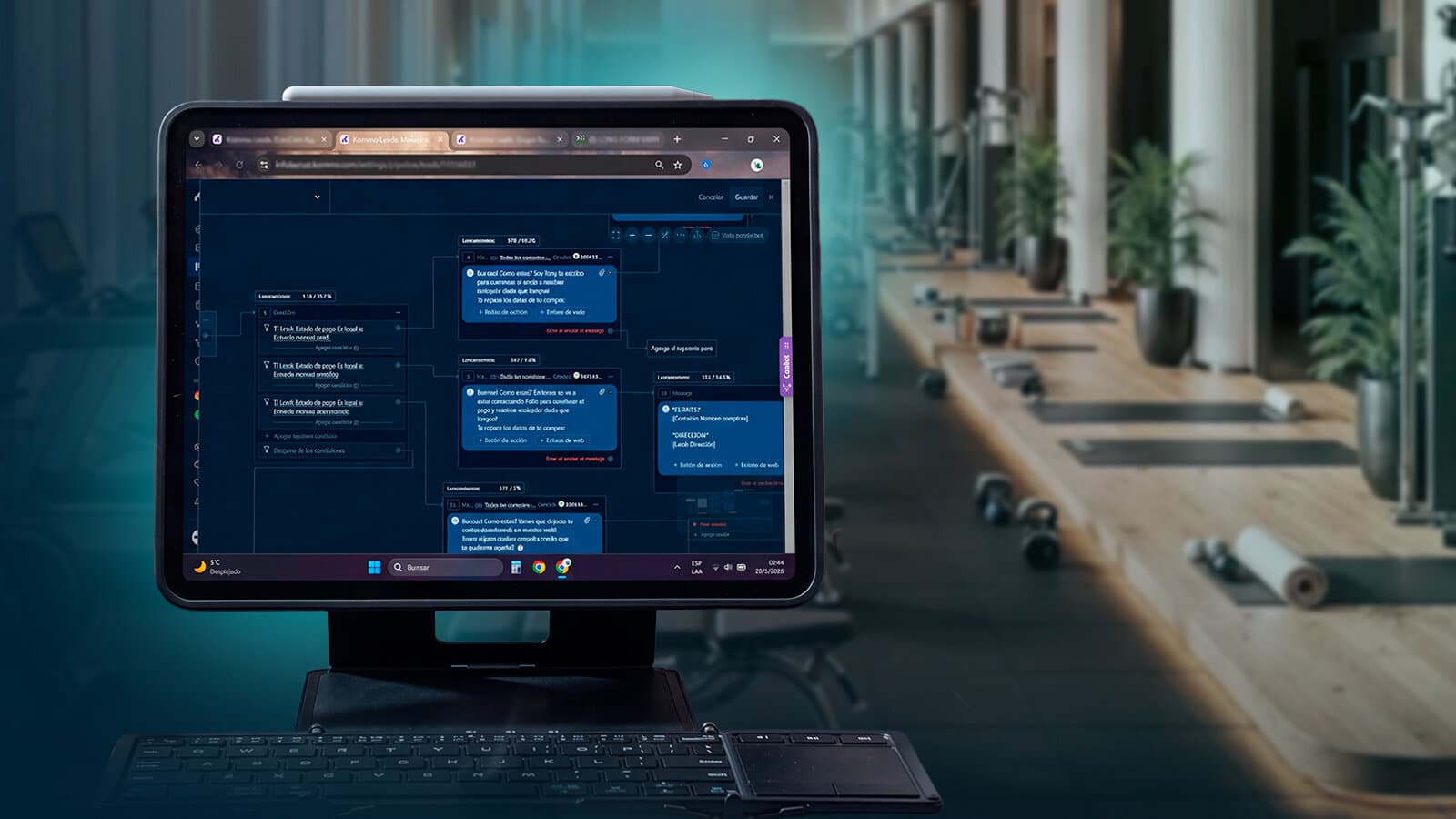

Launching into software configuration, API integration, or delegating tasks to bots without prior analysis is a recipe for unnecessary resource expenditure.process documentationIt is not a mere bureaucratic formality or a boring manual that gets filed away in a drawer; it is the indispensable foundation upon which true [something] is built.business process automationIn this article, we analyze why documenting your operation step by step is the only sure path to technological success.
The danger of blind automation: Digital disorder
Many organizations confuse technology with strategy. They believe that by acquiring licenses for the most expensive software on the market, their workflows will magically become streamlined. Reality proves otherwise: management systems demand logic. If your employees aren’t clear on who approves a quote, where billing data comes from, or what criteria define a client’s priority, the software won’t know either.
Before programming any line of code or trigger (trigger), it is vital to understand the current structure. Theinternal process mappingIt involves sitting down with the leaders of each area and visually breaking down the path that information takes. This exercise, typical of the discipline ofBusiness Process Management (BPM)It immediately exposes the bottlenecks, duplicate tasks, and unnecessary dependencies that slow down the workday.
The benefits of mapping and documentation before technical deployment
Investing time in the analysis and recording stage before activating any automation offers tangible operational advantages:
1. Detection of “Operational Fat” (Preliminary Optimization)
Documenting forces you to question the status quo When representing a workflow in a concept map, inevitable questions arise:“Why does the salesperson have to fill in this field if marketing already captured it in the form?”the“Why do we require three manual signatures on this report?”Simplifying the process in an analog way first ensures that what is automated is the most agile and optimized version of the workflow.
2. Clear definition of logical rules
Automation software operates on the premise of “If X happens, then Y happens.” If the business rules are ambiguous, the system will fail. Structured documentation provides the exact variables the technical team needs to configure the tools (e.g., pricing conditions, maximum alert wait times, assigning responsibilities).
3. Reduction of development costs
Modifying a flowchart on a whiteboard or in a digital document takes five minutes and costs nothing. Changing the architecture of already configured software or a poorly structured database in the middle of the production phase involves hours of specialized technical consulting, delays in delivery dates, and inflated budgets.
Essential steps for successfully documenting towards automation
To achieve a trueworkflow optimizationThe documentation must be actionable. You can follow these steps to prepare your structure:
- Identify the scope:Select a single process to start with (for example: “The lead intake and assignment flow”). Don’t try to document the entire company at once.
- Interview the actual perpetrators:Managers know howoughtThe process works; the employees know how it worksin realityIt records the real day-to-day, with its usual exceptions and difficulties.
- Graph the sequence:Use visual diagramming tools to establish roles (who does what) and logical decisions (what happens if it is approved or rejected).
- Mark the candidates to automate:Identify those tasks that meet three conditions: they are repetitive, based on fixed rules, and consume a lot of human time (e.g., copying data from one platform to another, sending welcome emails, generating alerts for overdue tasks).
The ultimate impact: Operational efficiency in scalable companies
The ultimate goal of linking document management with technology is to achieve a high standard ofoperational efficiency in companiesAn organization that documents before automating enables its human teams to stop performing low-value, mechanical tasks and focus their intellect on strategy, analysis, and customer service.
Technology then becomes the engine that accelerates a mechanism that already worked perfectly manually, guaranteeing predictable, orderly and highly profitable growth.
Do you want to structure and automate your business processes?
In DotscomWe specialize in process consulting and workflow automation. We help you audit your current operations, map your internal processes, and configure the right technology tools to make your business run like clockwork.