
The customer journey does not end when a transaction closes; rather, deal closure marks the entry point into client retention and lifetime value optimization. Implementing structured post-sale satisfaction surveys allows businesses to evaluate service quality, identify operational friction, and curb customer churn. However, gathering feedback manually results in delayed outreach, low response rates, and missed growth opportunities.
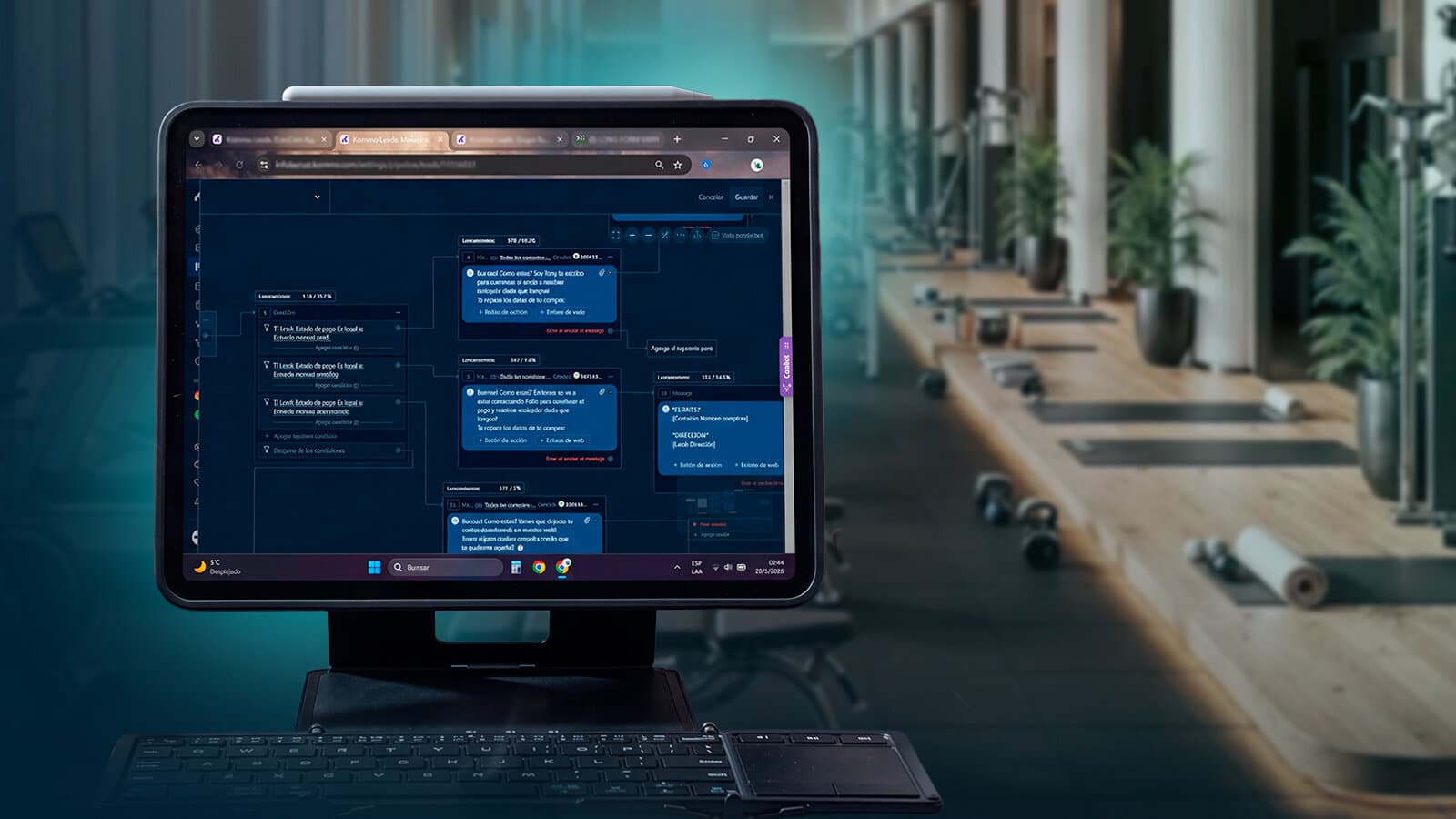
To establish a consistent feedback loop, market leaders leverage satisfaction survey automation integrated directly into their CRM ecosystem and messaging channels. With automated triggers, every closed deal initiates a personalized communication sequence that captures real-time customer sentiment at peak engagement.
Why You Must Measure Customer Satisfaction After Purchase Automatically
Attempting to measure customer satisfaction after purchase through manual follow-ups or late email blasts introduces memory bias and operational lag. By automating surveys after purchase, organizations gain immediate visibility into buyer experience during sales negotiations and initial onboarding.
AUTOMATED CLIENT FEEDBACK FLOW
|
1. Event Trigger |
Deal status marked as "Closed-Won" in CRM |
|
2. Multichannel Delivery |
Automated dispatch via WhatsApp/SMS or Email |
|
3. Processing & Routing |
Real-time BI logging and instant alerts for low CSAT |
Collecting client feedback in sales automatically provides clear strategic advantages:
- Proactive Risk Mitigation: Low CSAT scores trigger instant service tickets, allowing managers to intervene before churn occurs.
- Automated Advocacy Generation: Delighted customers are seamlessly prompted to share public reviews and testimonials.
- Sales Process Optimization: Commercial leaders can assess individual representative performance based on verified customer sentiment.
Building these seamless automated workflows requires a well-structured commercial engine via our CRM — Audit & Management services.
How to Automate Client Feedback and Track Post-Sale CSAT
The core benchmark for measuring transactional sentiment is post-sale CSAT (Customer Satisfaction Score). This metric rates customer happiness regarding a specific interaction on a numerical or qualitative scale (e.g., 1 to 5 stars).
To successfully automate client feedback, execute the following steps:
- Establish Clear Workflow Triggers: Configure your CRM so changing a pipeline status to "Closed-Won" or "Fulfilled" fires the survey sequence.
- Prioritize High-Engagement Channels: Instant messaging channels like WhatsApp or SMS yield significantly higher open and completion rates compared to email.
- Keep Questionnaires Concise: Limit surveys to 1–2 direct questions to eliminate user friction and maximize completion rates.
- Implement Automated Sentiment Routing: Set rules that automatically classify feedback into promoter or detractor workflows.
|
Closed-Won Deal (CRM Event) |
→ |
Automated Trigger (WhatsApp/Email) |
→ |
CSAT Routing (Promoter/Detractor) |
Ensuring these integrations between CRMs, messaging APIs, and analytics dashboards run flawlessly requires technical governance. Our Monthly CRM Maintenance program guarantees uninterrupted data collection and clean pipeline hygiene.
Linking Customer Feedback to Commercial Analytics
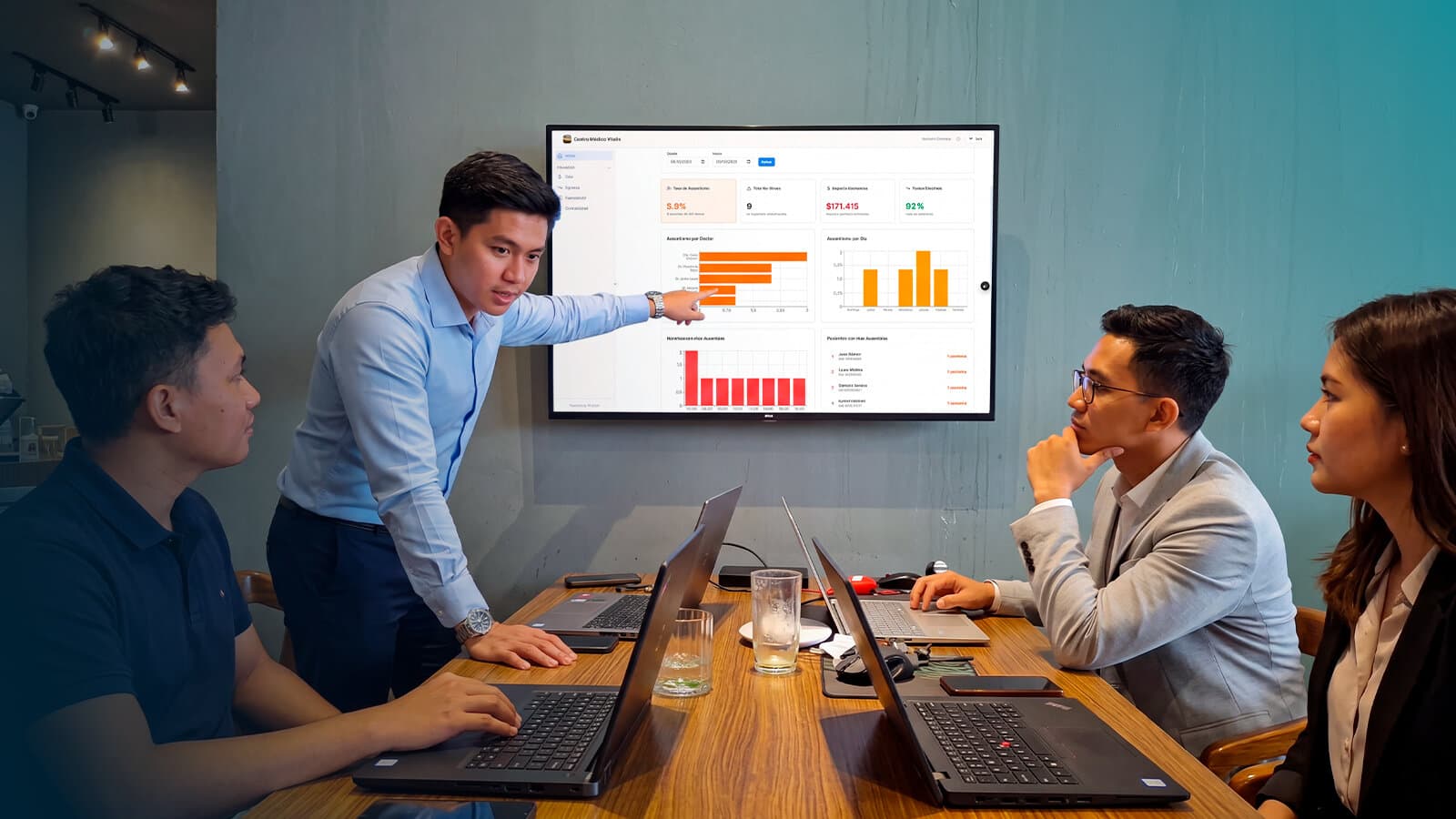
Feedback collection must not remain isolated in standalone spreadsheets; it should feed directly into executive dashboards. Connecting CSAT scores with acquisition source data reveals which marketing channels deliver the most satisfied, long-term profitable clients.
Through our Marketing Analytics solutions, we integrate customer satisfaction scores alongside Customer Acquisition Cost (CAC) and Lifetime Value (LTV). This gives leadership clear insight into which ad campaigns drive sustainable revenue, not just top-of-funnel leads.
Scale Customer Retention with High-Impact Automation
Growing revenue requires balancing new customer acquisition with long-term retention. Deploying an automated post-sale feedback system transforms raw customer opinions into actionable intelligence that refines sales execution and fuels growth.
At Dotscom Agency, we design and implement end-to-end automation architectures, CRM integrations, and commercial analytics to maximize client lifetime value. Schedule a commercial diagnosis session with our expert team today to automate your feedback loops with precision.